Metal Fabricators
Overview
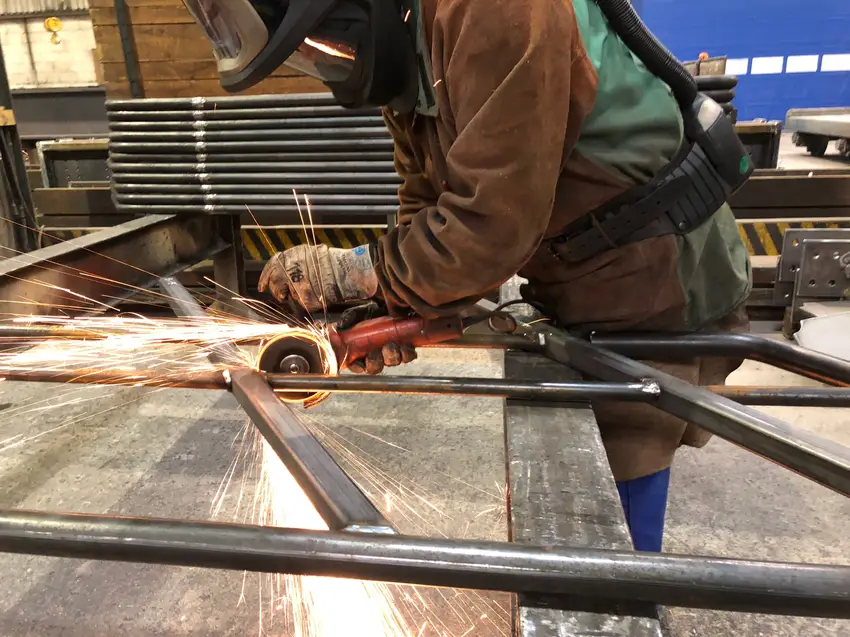
You cut, bend, assemble, and weld metal pieces together to create structural components, machinery, and products following blueprints and specifications. You use oxy-fuel cutting, plasma cutting, shears, and welding equipment to shape and join metal. You need to read technical drawings and understand metallurgy. This skilled trade is essential in manufacturing, construction, and heavy industry.
Did you know?
Most Structural Metal Fabricators enter the field through a 3-4 year apprenticeship program, combining on-the-job training with formal study. This provides hands-on experience while earning a wage and leads to nationally recognised qualifications.
At a Glance
$78,000 Avg/yr
Median Wage
Stable
Growth
Active Listening
Top Skill
Key Responsibilities
- Studies drawings and specifications to determine suitable material, method and sequence of operations and machine settings
- Fits fabricated metal parts into products and assembles metal parts and sub-assemblies to produce machines and equipment
- Checks fabricated and assembled metal parts for accuracy, clearance and fit using precision measuring instruments
- Sets guides, stops and other controls on machining tools, sets up prescribed cutting and shaping tools and dies in machines and presses, and sets controls for textile machines
- Forms metal stock and castings to fine tolerance using machining tools to press, cut, grind, plane, bore and drill metal
- Cuts, threads, bends and installs hydraulic and pneumatic pipes and lines
- Diagnoses faults and performs operational maintenance of machines, and overhauls and repairs mechanical parts and fluid power equipment
- May erect machines and equipment on-site
Career Considerations
Apprenticeship Pathways in Australia
Most Structural Metal Fabricators enter the field through a 3-4 year apprenticeship program, combining on-the-job training with formal study. This provides hands-on experience while earning a wage and leads to nationally recognised qualifications.
Essential Technical Skills Development
Develop strong mathematical skills, spatial awareness, and manual dexterity during high school. Experience with metalwork, welding, and using precision tools through Design and Technology subjects will provide valuable preparation.
Career Progression and Specialisation
With experience, fabricators can specialise in areas like architectural metalwork, marine fabrication, or heavy industrial structures. Career advancement opportunities include becoming a supervisor, starting your own business, or moving into engineering roles.