Interior Designers
Overview
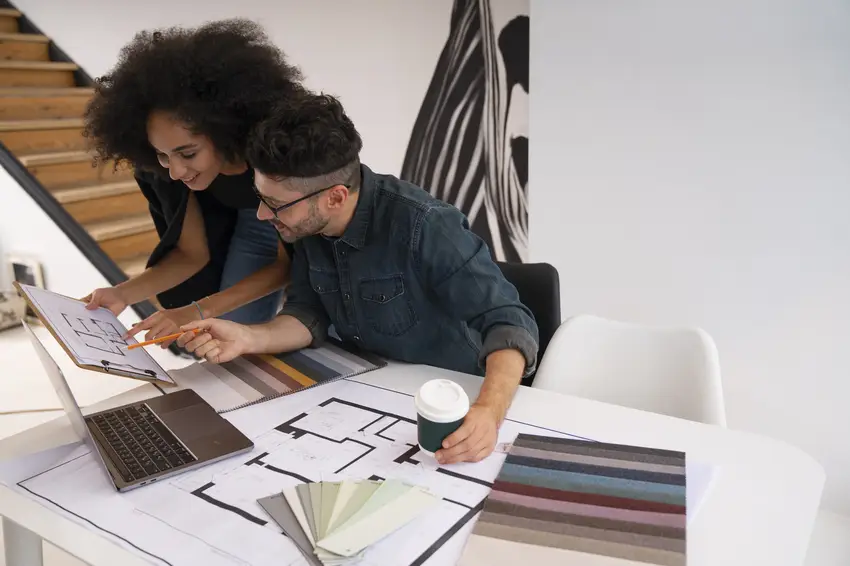
Interior Designers create functional and beautiful indoor spaces by planning layouts, selecting furniture, and choosing colours and materials. They work with clients to transform homes, offices, and commercial spaces using modern design software and 3D visualisation tools. This creative field combines artistic vision with practical problem-solving skills and offers opportunities to specialise in residential, commercial, or sustainable design. Interior designers often collaborate with architects, contractors, and clients to bring design concepts to life.
Did you know?
To become an Interior Designer in Australia, you typically need to complete a Bachelor's degree in Interior Design or Interior Architecture. Many universities offer these programs, and some also provide diploma-level qualifications that can lead to entry-level positions.
At a Glance
$80,000 Avg/yr
Median Wage
Stable
Growth
Persuasion
Top Skill
Key Responsibilities
- Discusses design ideas and provides advice to clients
- Analyses clients' requirements
- Plans and designs whole building interiors, rooms, shops, residential and leisure spaces
- Plans interior infrastructure such as lighting, air-conditioning and communication cabling
- Prepares drawings, samples and decorating instructions
- Makes any necessary changes to the designs or drawings
- Advises on hiring trades people
- Designs furniture or fittings
- Works with architects and other contractors at the early stages of designing an interior space
- Keep up to date with trends and legal requirements in interior design
- May be involved with project management
- May run their own business
Career Considerations
Educational Requirements in Australia
To become an Interior Designer in Australia, you typically need to complete a Bachelor's degree in Interior Design or Interior Architecture. Many universities offer these programs, and some also provide diploma-level qualifications that can lead to entry-level positions.
Creative and Technical Skills Development
Success in interior design requires developing both creative abilities and technical skills. Focus on building your artistic talents, spatial awareness, and proficiency with design software like AutoCAD and SketchUp during your studies.
Industry Experience and Specialisation
Gaining practical experience through internships or entry-level positions is crucial. You can specialise in areas like residential design, commercial spaces, or sustainable design, each offering different career paths and opportunities.