Hydrologists
Overview
Hydrologists are water scientists who study how water moves through our environment, from rainfall to rivers, groundwater, and back to the atmosphere. They research water distribution, quality, and circulation patterns using advanced technology like satellite imagery, computer modelling, and field monitoring equipment. This career combines fieldwork with laboratory analysis and requires strong analytical skills, with opportunities in environmental consulting, government agencies, and research institutions. Hydrologists play a crucial role in water resource management and environmental protection.
Did you know?
A Bachelor's degree in Environmental Science, Earth Sciences, or Engineering is typically required, with many hydrologists pursuing postgraduate studies. Universities like ANU, Melbourne, and Queensland offer specialised programs in hydrology and water resources.
At a Glance
$100,000 Avg/yr
Median Wage
Stable
Growth
Social Perceptiveness
Top Skill
Key Responsibilities
- Conducts preliminary surveys of mineral, petroleum and natural gas deposits with Prospectors, Mining Engineers, Metallurgists, and other mineral scientists and engineers
- Prepares and supervises the production of laboratory reports and scientific papers
- Conducts studies of the structure, nature and formation of the earth’s crust and the minerals contained in it
- Studies and dates fossils and rock strata to develop knowledge of the evolution and biology of life forms, and to assess their commercial applications
- Studies the effects of natural events, such as erosion, sedimentation, earthquakes and volcanic activity, on the formation of the earth’s surface and sea beds
- Carries out exploration to determine the resources present by sampling, examining and analysing geological specimens, rock cores, cuttings and samples using optical, chemical, electronic and mechanical techniques
- Conducts surveys of variations in the earth’s gravitational and magnetic fields to determine its physical features
- Investigates the propagation of seismic waves to determine the structure and stability of the earth’s mantle and crust
- Studies the causes of earthquakes and other stress states of the earth’s crust
- Performs laboratory and field studies as well as aerial, ground and drill hole surveys
Career Considerations
Educational Requirements in Australia
A Bachelor's degree in Environmental Science, Earth Sciences, or Engineering is typically required, with many hydrologists pursuing postgraduate studies. Universities like ANU, Melbourne, and Queensland offer specialised programs in hydrology and water resources.
Field and Laboratory Work Balance
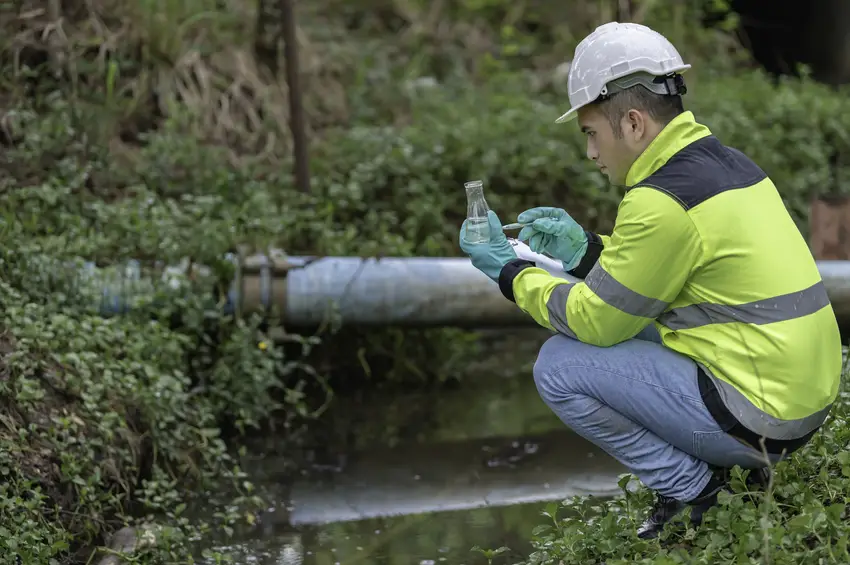
Hydrologists spend time both outdoors collecting water samples and data, and indoors analysing results using computer models. This career suits students who enjoy both hands-on fieldwork and technical analysis.
Growing Career Opportunities
With increasing focus on water security and climate change in Australia, demand for hydrologists is growing in government departments, mining companies, environmental consultancies, and research organisations.