Supply Chain & Transportation
Overview
Supply Chain & Transportation covers careers in moving goods and people across air, land, sea and rail as well as warehousing, procurement and logistics planning. It spans six sub-clusters from Air & Space Transportation to Purchasing & Warehousing, with roles from truck driver and pilot to supply chain analyst.

Did you know?
Supply chain now includes Drone Delivery Operators, Supply Chain Data Scientists, and Blockchain Specialists. Technology is fundamentally changing how goods are moved and tracked around the world.
At a glance
6
Core sub-clusters
7+
Emerging job roles
Air, Land & Sea
Transport modes
Top 5 Occupations
Based on Employment Growth
 🔥 Fast Growing
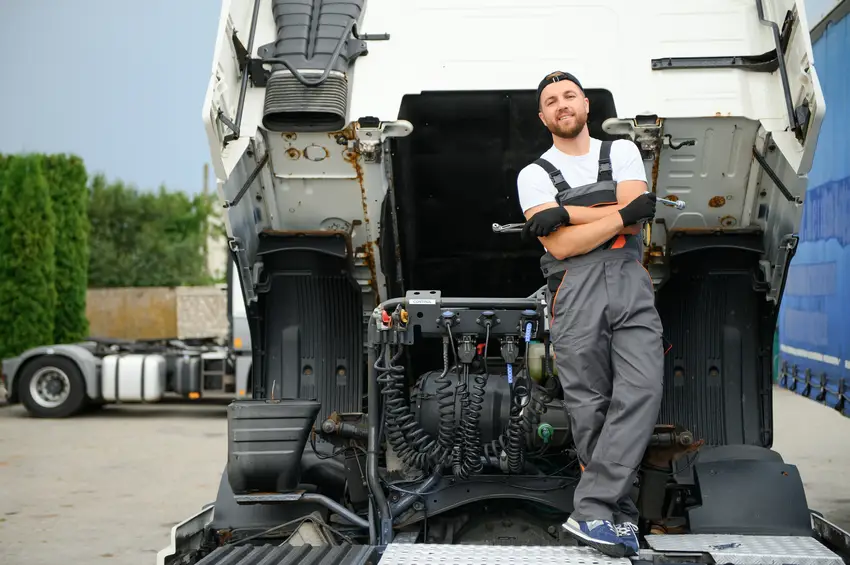
Diesel Mechanics
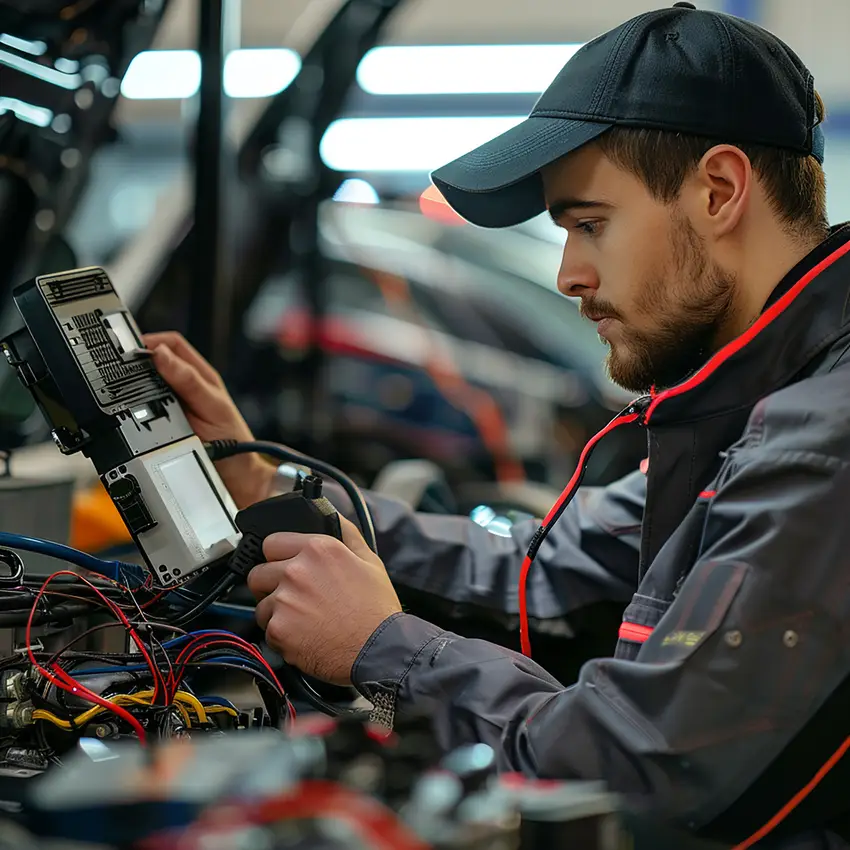
Vehicle Electronics Technicians
 🔥 Fast Growing
Marine Engineers
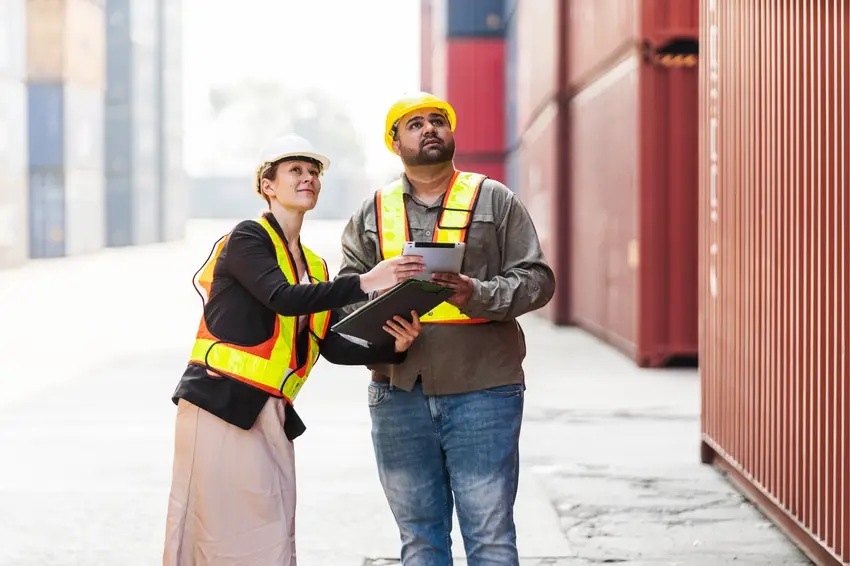
Freight Agents
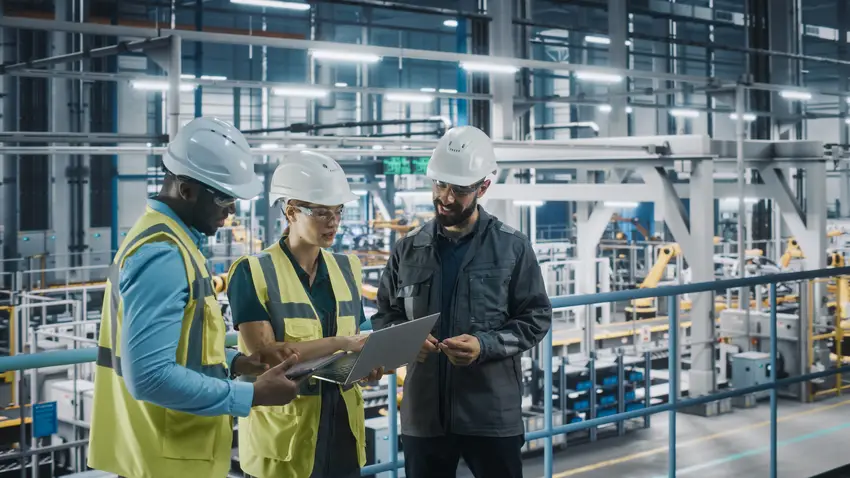
Industrial Production Managers
A lot of students only know 2 or 3 supply chain & transportation jobs. There are way more than most people expect.
More about the Supply Chain & Transportation industry
The Supply Chain & Transportation industry keeps goods moving, from raw materials to finished products to the end customer. It covers every stage of that journey: air, ground, rail and sea transportation; vehicle maintenance; warehousing; procurement and the logistics planning that connects it all. Without this field, nothing arrives on time and nothing gets built.
The industry is broken down into six main fields. Air & Space Transportation covers flight operations, air cargo and aerospace systems. Ground & Rail Transportation handles road and rail freight and passenger services. Maintenance & Repair keeps all forms of transport equipment operational. Marine Transportation manages shipping vessels, ports and watercraft. Planning & Logistics coordinates supply chain flow and distribution networks. Purchasing & Warehousing covers procurement, inventory control and facility management.
The field is being transformed by technology. Drone delivery operators, supply chain data scientists, blockchain specialists and e-commerce logistics managers are emerging roles that reflect where the industry is heading. Entry ranges from trade certificates and driver's licences through to logistics and engineering degrees with a huge variety of work environments across every corner of the globe.