Energy & Natural Resources
Overview
Energy & Natural Resources covers careers in energy production, conservation, environmental protection and resource management. It spans Clean & Alternative Energy, Conservation & Land Management, Ecological Research, Environmental Protection, Resource Extraction and Utilities, with roles from renewable energy technician to environmental engineer and growing demand for EV, hydrogen and decarbonisation specialists.

Did you know?
You can have an outdoor, physical career and still work in cutting-edge technology. Wind turbine technicians use drones, sensors, and AI diagnostics to maintain turbines, combining hands-on fieldwork with sophisticated digital tools.
At a glance
6
Specialist sub-clusters
18+
Emerging job roles
Solar & Wind
Fastest growth sectors
Top 5 Occupations
Based on Employment Growth

Conservation Technicians
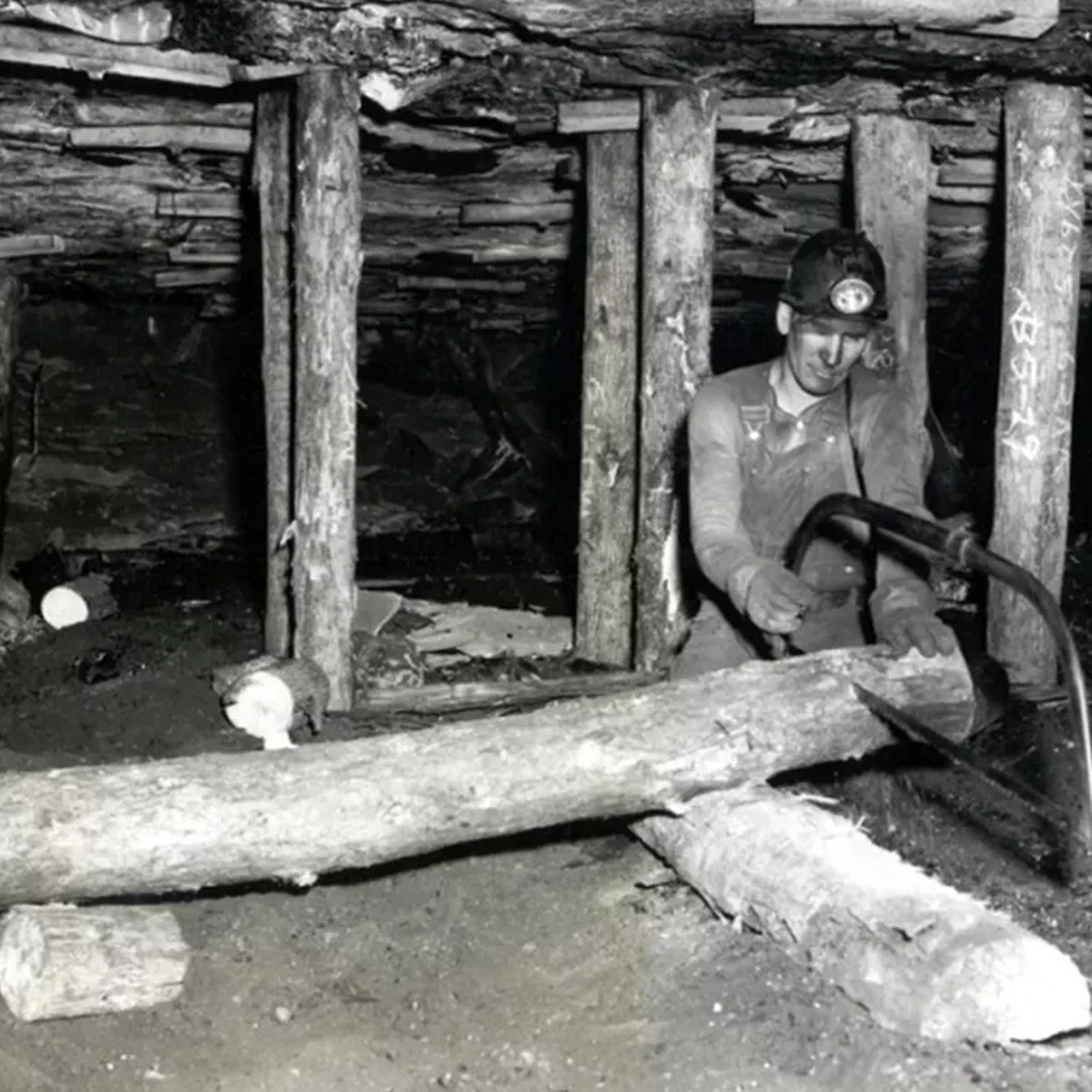
Mining Roof Bolters

Tower Equipment Technicians

Oil and Gas Technicians
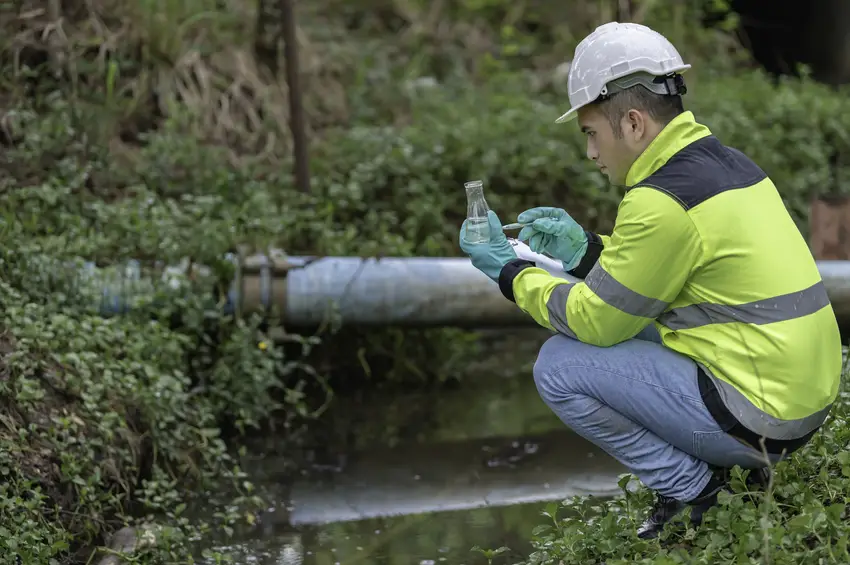
Hydrologists
A lot of students only know 2 or 3 energy & natural resources jobs. There are way more than most people expect.
More about the Energy & Natural Resources industry
The Energy & Natural Resources industry keeps the lights on, the water running and the planet liveable. It covers careers across traditional and renewable energy production, conservation, environmental protection, resource extraction and utilities. At a time when the global energy system is shifting fast, this field sits at the centre of some of the most significant challenges and opportunities of the coming decades.
Six sub-clusters define the field. Clean & Alternative Energy focuses on solar, wind, hydrogen, nuclear and other low-carbon power systems. Conservation & Land Management protects natural landscapes and wildlife. Ecological Research & Development applies science to understand ecosystems and energy impacts. Environmental Protection develops and enforces policies to safeguard air, water and land. Resource Extraction covers mining, drilling and geoscience. Utilities handles the transmission, maintenance and security of power, water and telecommunications systems.
The energy transition is creating entirely new roles. Hydrogen fuel technicians, offshore wind specialists, decarbonisation specialists and EV infrastructure developers are all emerging as the industry adapts. Entry into the field spans trade apprenticeships, technical certificates and science and engineering degrees and opportunities exist in both private industry and government.