Construction
Overview
Construction spans careers in designing, planning, building, and maintaining the physical world. It covers Architecture & Civil Engineering, Construction Planning & Development, Equipment Operation & Maintenance, and Skilled Trades, with roles ranging from civil engineers and architects to carpenters, electricians, and HVAC technicians — and growing demand in sustainable and smart building.

Did you know?
Skilled trades make up the vast majority of construction jobs. Emerging careers like Construction Robotics Technician, Modular Construction Engineer, and Smart Building Integrator are already reshaping the field!
At a glance
1.7M+
Maintenance jobs
7%
Electrician growth
9
Emerging role types
Top 5 Occupations
Based on Employment Growth
 🔥 Fast Growing
Construction Trades Assistants, Other
 🔥 Fast Growing
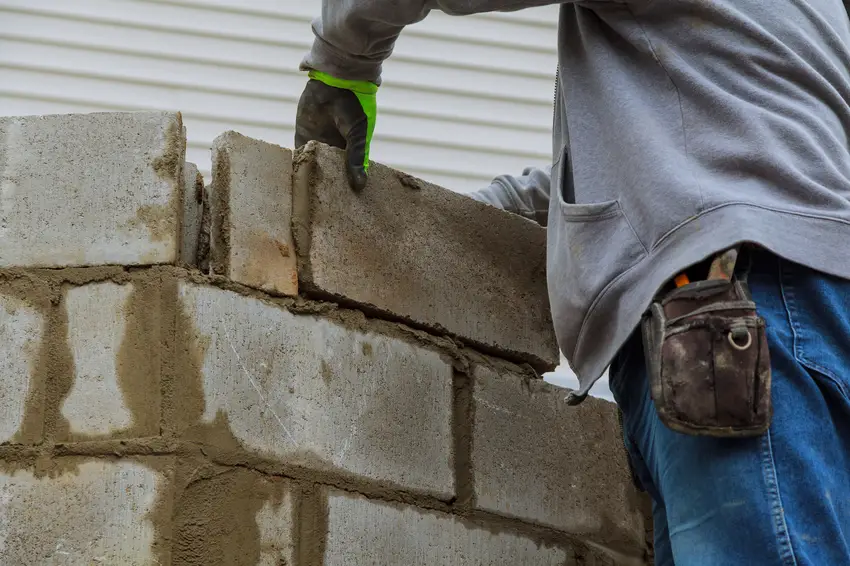
Construction Helper - Masonry and Tiling

Insulation Workers, Mechanical

Architects

Floor Finishers
A lot of students only know 2 or 3 construction jobs. There are way more than most people expect.
More about the Construction industry
The construction industry is where plans become real. From the roads and bridges you cross every day to the hospitals, schools, and offices that serve entire communities — someone designed it, planned it, and built it. Beyond the physical build itself, this industry also covers the ongoing work of maintaining, inspecting, and upgrading the structures and systems that keep everything running. It's a broad field that spans creative, technical, and hands-on work.
It covers four main areas: architecture and civil engineering, where structures are designed and planned; construction planning and development, which handles site analysis, cost estimation, permits, and project management before work begins; equipment operation and maintenance, keeping heavy machinery running safely and efficiently on site; and skilled trades, the hands-on expertise of carpentry, electrical systems, plumbing, HVAC, welding, masonry, and more.
Entry into this field is genuinely flexible. You can come through a trade apprenticeship, a two-year technical program, or a four-year degree in engineering or architecture — and still end up working on the same project. Growing demand for sustainable building practices is reshaping roles across every area, with green construction techniques, modular building methods, and renewable energy integration becoming increasingly central to the work.