Arts, Entertainment, & Design
Overview
Arts, Entertainment & Design spans the creation and production of work that informs, entertains and inspires. It covers Design & Digital Arts, Fashion & Interiors, Fine Arts, Lighting & Sound Technology, Media Production & Broadcasting and Performing Arts, with roles from graphic designer and filmmaker to fashion designer, musician and emerging AR/VR creator.
Did you know?
Australia has a disproportionately influential creative culture on the world stage. Australian filmmakers, musicians, designers, and artists punch well above their weight internationally, from Hollywood directors like Baz Luhrmann to globally recognised design studios and fashion labels based in Melbourne and Sydney.
At a glance
6
Creative sub-clusters
14+
Emerging job roles
Stage & Screen
Career environments
Top 5 Occupations
Based on Employment Growth

Sports Trainers

Interior Designers
 🔥 Fast Growing
Web Developers
 🔥 Fast Growing
Software Developers

Entertainers and Performers
A lot of students only know 2 or 3 arts, entertainment, & design jobs. There are way more than most people expect.
More about the Arts, Entertainment, & Design industry
The Arts, Entertainment & Design industry covers a huge range of work, from graphic designers and film directors to fashion designers, musicians, interior decorators and sound engineers. What ties it all together is the use of creative processes to produce things that inform, entertain or inspire. It's an industry built on ideas, and those ideas end up everywhere: on screens, stages, in buildings, on clothing and across digital platforms.
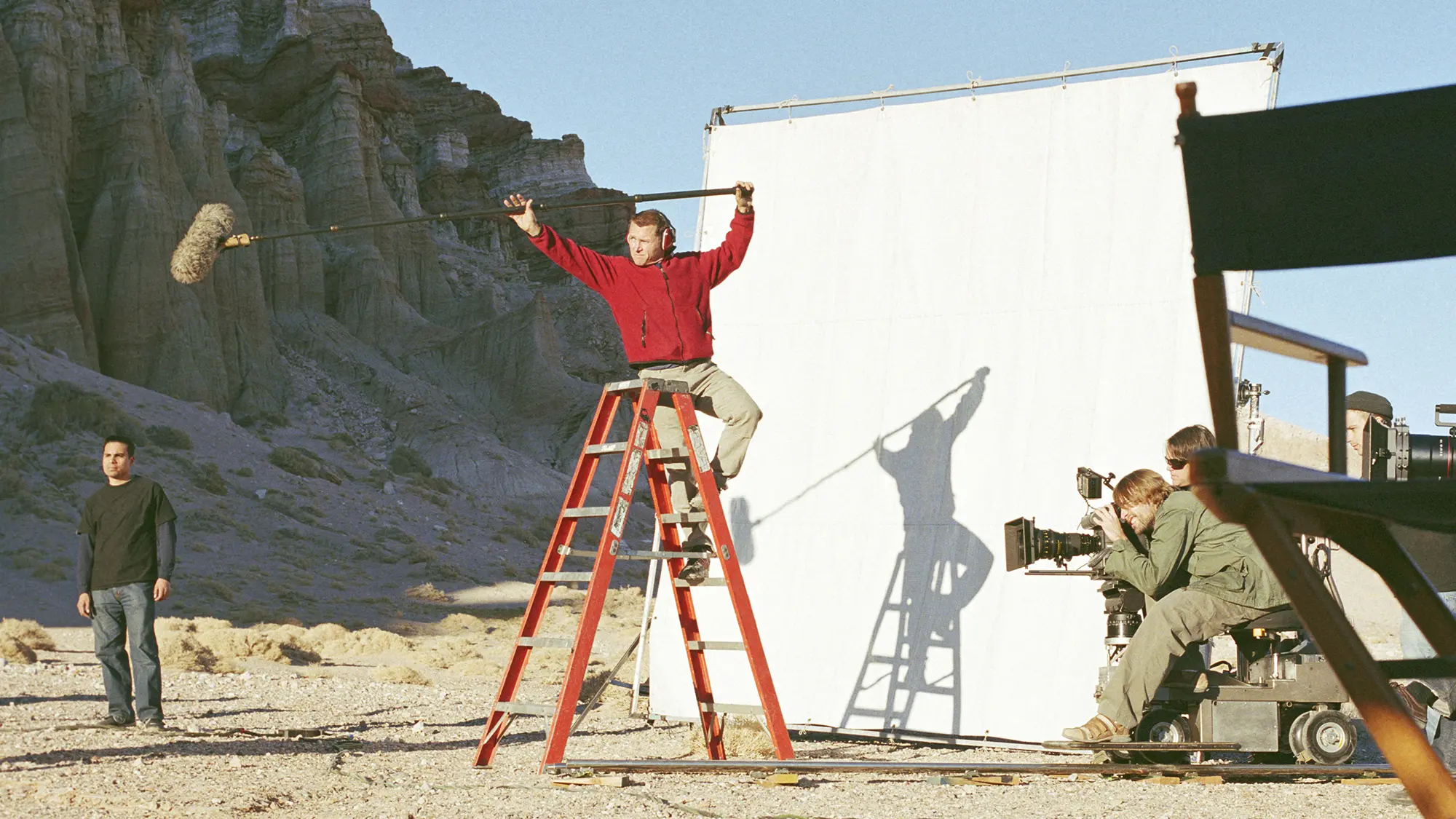
The industry is broken down into six main fields. Design & Digital Arts covers animation, web design, game design and visual content. Fashion & Interiors spans clothing design, textiles and interior spaces. Fine Arts focuses on painting, sculpture and visual art forms. Lighting & Sound Technology handles audio engineering and lighting design for performances and productions. Media Production & Broadcasting covers film, TV, radio, journalism and streaming. Performing Arts brings together theatre, music, dance and sport.
The creative industries are shifting fast. New roles like AR/VR designer, immersive experience designer and streaming media analyst reflect how technology is reshaping what creative work looks like. Paths into the field vary widely, from a portfolio-based arts education to technical training in sound or broadcast production, and self-employment is a common and viable route.