Agriculture
Overview
Agriculture covers the production of food, fibre and plant and animal products from farm to table. It spans Agribusiness, Agricultural Technology & Automation, Animal Systems, Food Science & Processing, Plant Systems and Water Systems, with roles from farmer and veterinarian to food scientist and growing careers in precision agriculture and sustainable food systems.
Did you know?
Australia is one of the world's most significant agricultural exporters. From beef and wheat to wine and wool, Australian agricultural products reach over 100 countries, meaning careers in this sector have direct connections to global markets, international trade, and food security diplomacy.
At a glance
6
Specialist sub-clusters
11+
Emerging job roles
Farm & Lab
Career environments
Top 5 Occupations
Based on Employment Growth

Conservation Technicians
Food Science Technicians
Animal Scientists
 🔥 Fast Growing
Farm Labourers
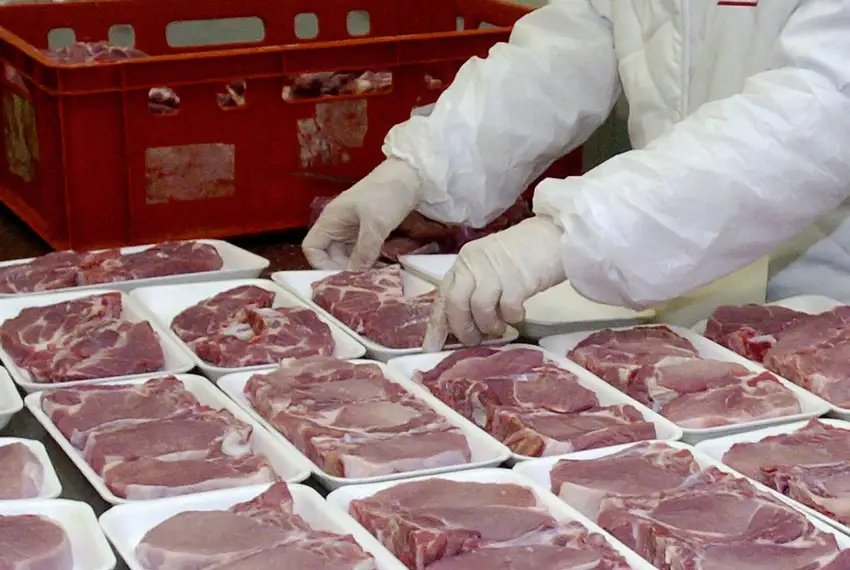
Meat Packers
A lot of students only know 2 or 3 agriculture jobs. There are way more than most people expect.
More about the Agriculture industry
Agriculture is more than farming. It covers everything from growing crops and raising livestock to processing food, managing water systems and developing the technologies that power modern food production. At its core, this field is about producing what the world needs to eat, and doing it in ways that are sustainable, safe and efficient. It connects science, business, environmental stewardship and hands-on land management.
The industry is broken down into six main fields. Agribusiness handles the economic and management side of agricultural enterprises. Agricultural Technology & Automation brings precision systems and engineering to farming. Animal Systems covers livestock, veterinary care and animal science. Food Science & Processing applies scientific principles to food development, quality control and nutritional value. Plant Systems deals with crop production, soil health and horticulture. Water Systems manages precision irrigation, aquaculture and fisheries for sustainable food production.
Emerging roles reflect a field that's changing fast. Climate smart agriculture advisors, precision livestock farming specialists and urban/vertical farming specialists are among the new directions opening up as the industry responds to environmental challenges and new technology. Entry into this field can come through hands-on farm experience, technical training or scientific degrees, and there's genuine breadth across every level of qualification.